

“Monday, Monday”
If you are looking forward to retirement in the near future, you have probably already thought about how nice it will be not to have that dark cloud descend on your life at about 5:00 pm on Sunday.

“Bah-da bah-da-da-da” … I bet you think this is going to be another Monday rant, don’t you? Well, I come here in my full retirement regalia not to bury Monday, but to praise her. If you are retired, you may already be #TeamMonday. If you are looking forward to retirement in the near future, you have probably already thought about how nice it will be not to have that dark cloud descend on your life at about 5:00 pm on Sunday.
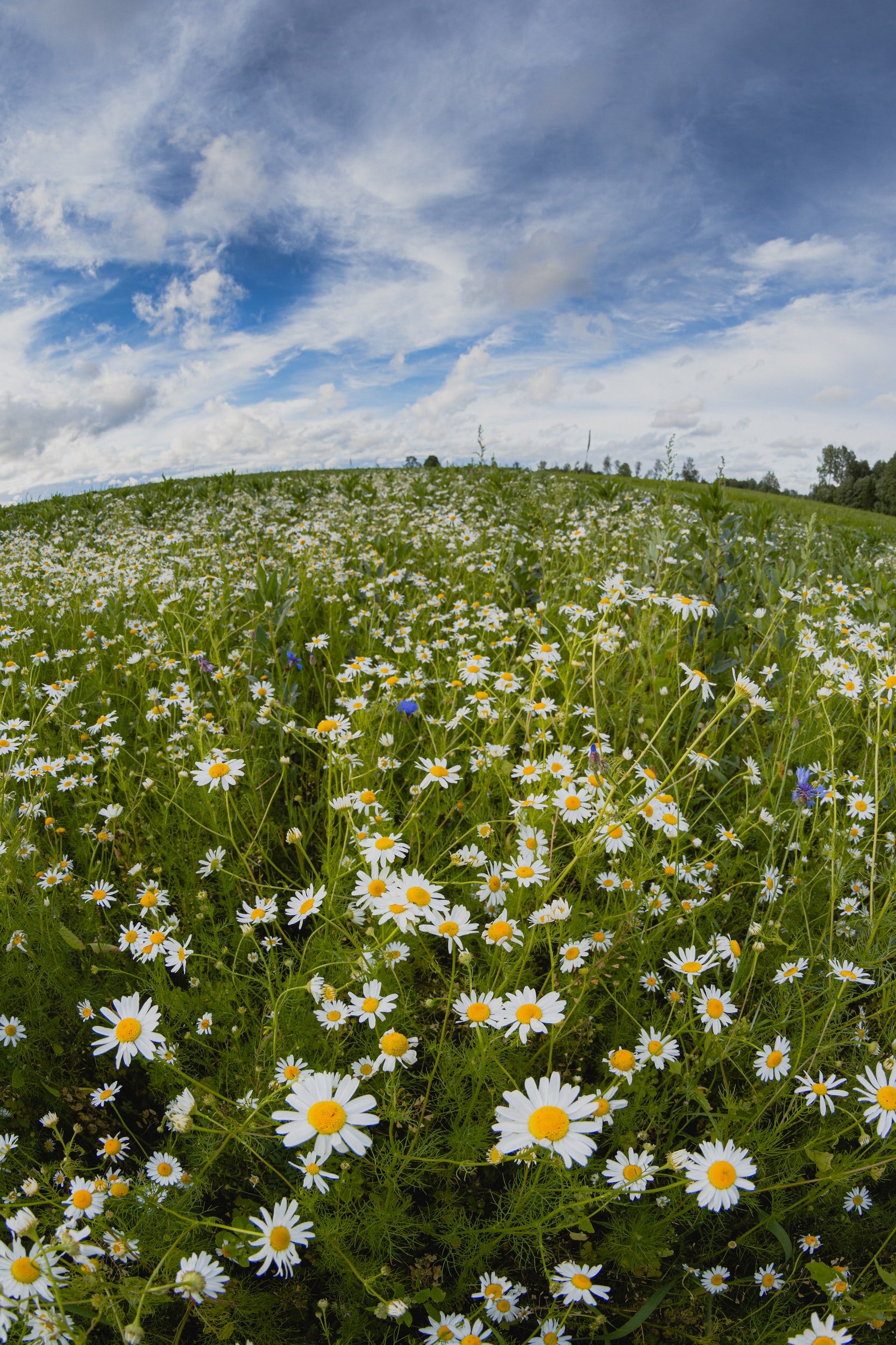
That cloud followed most of us from our school days right into decades of work. From our earliest school age we learned that five days a week we lived a life contrary to one that made us abundantly happy. During those 5 days, someone else called the shots. Our working parents were right there in it with us. They tried to cram real life into four or five hours after work, while we as kids ate our predictable dinners, did our homework, watched a show, and were hustled off to bed so their tasks could continue. As adults, we understood why our working moms were so tired. Lather, rinse, repeat. But when Friday afternoon hit and the weekend was in sight, and our lives were suddenly like those old, slow-motion TV commercials of people with arms outstretched, running and twirling through a field of daisies bathed in sunlight.
The weekend. What a concept (thank you labor unions). The freedom, the leisure, the looming MONDAY (gulp)! Poor Monday, you never really stood a chance. I was definitely in the “I Don’t Like Monday” club when I worked. It didn’t mean I didn’t like my job, I just really never warmed to the idea of the 5 day work week. It seemed like (still does) a really antiquated construct to me. It has served its purpose to protect workers, but it’s time to rethink the work week. If you are still in the workforce, the pandemic may have changed your work week a bit, but most likely things snapped back to a model that was framed shortly after the turn of the century (that’s the 20th century). The history of the work week and the weekend is something one might want to be familiar with, and this article from The Atlantic explains it well.
Back to Mondays. I used to really dislike them. I remember being at an education training with some colleagues when I was a principal. The presenter, I’ll call him Dr. D., chastised anyone in the group who didn’t raise a hand when he asked, “Is Monday your favorite day of the week?” I don’t think a single hand went up. My friend and I looked at each other because we often commiserated when it was time to “get up and do it again, amen.” For years after that, my friend and I would text on Monday morning to acknowledge how disappointed Dr. D. would be in us, yet again. Like I said, it wasn’t my job I dreaded…it was years of Monday conditioning that probably started even before I started school. Even preschoolers could recognize the change in their own little lives once Monday hit. Babysitters, different routines, different foods, and different moods with the grown-ups. That’s a lot of psychology to unpack, folks.
Enter the Mondays of retirement. Mondays occupy an entirely different headspace for the retired. During my transition into full retirement, I was viewing Mondays in vacation mode, so the Monday transformation took a while. This transitory phase still had me “bookending” Mondays from an old work mindset. Some of the related emotions still occurred, and I would often be at odds with myself on a Monday. Know that it takes a while to get rid of this kind of thinking. It involves a complete unlearning of how you see time. This is all new terrain, and you are thrown back into the learning curve only this time your old habits may not serve you well at all. The concept of “beginners mind” can be so helpful once you start to feel the dissonance.
Once I realized that both unlearning and a beginner’s perspective about time could reframe the construct of the week for me, I was on my way to living The Precious Days. Now that I am well into my first year of full retirement, with eyes wide open and a conscious mind to boot, I find myself positively giddy about Mondays. They feel magical. A whole week opening up in front of me, full of extraordinary potential? Yes, please. I love the anticipation that comes quite surprisingly with the slowness of a Monday. I love the quiet of the stores on a Monday. I can shop, walk, go to appointments on a Monday encountering few others with the exception of “my people.” The young olds, the middle olds, and the old olds are a quiet society on a Monday. We love our solitude bubbles as we round the walking paths or stroll the aisles, sometimes nodding in recognition of this bliss, this loving of Mondays.
The markers of Mondays for me now are peace and possibility. The confluence of the pandemic and my retirement provided me with the solitude I have longed for most of my life. The safety and peace of not having to be around throngs of others every day in the work world has played such an important role in my mental health. I feel tremendous gratitude as I know this is not true for so many, and that is humbling. For now, I am blessed that Monday has become my life-muse. Most of my Mondays start with time outside and a poem. This one by Mary Oliver seems to speak both to how I used to feel on Mondays and to my new love of magical Monday, which is creating a wondrous world for me 52 times a year.
Morning Poem
by Mary Oliver
Every morning
the world
is created.
Under the orange
sticks of the sun
the heaped
ashes of the night
turn into leaves again
and fasten themselves to the high branches—
and the ponds appear
like black cloth
on which are painted islands
of summer lilies.
If it is your nature
to be happy
you will swim away along the soft trails
for hours, your imagination
alighting everywhere.
And if your spirit
carries within it
the thorn
that is heavier than lead–
if it's all you can do
to keep on trudging–
there is still
somewhere deep within you
a beast shouting that the earth
is exactly what it wanted–
each pond with its blazing lilies
is a prayer heard and answered
lavishly,
every morning,
whether or not
you have ever dared to be happy,
whether or not
you have ever dared to pray
How is your relationship with Mondays? Let me know in the Comments.

Part Three: Retirement Routines
Oh, how I looked forward to the point in my life when I would have more time to do the things I loved. Enter retirement, the era of new routines.
A brief disclaimer: This is the final entry in the 3 part series of Rites, Rituals, and Routines of Retirement. Just like no two lives are lived the same way, your retirement plans and trajectory, current or future, may not parallel my own. In this post, I am offering some examples of my retirement routines based on my own experience – free to take or leave. I hope the routines you create bring you satisfaction and an abundance of joy in The Precious Days.

For so many years, I woke up each morning in a rush. Barely 5:00 a.m. and I already felt I was behind. So many of my workdays started with a mix of excitement and stress. I loved what I did, so there was a lot to look forward to at work. But stress often won out, and most of the time it would rule not only the hectic starts to the day, but even my time once I got home from work. I usually did manage to eat some kind of breakfast and pack a lunch that usually just went on a tupperware vacation each day, from my fridge to the fridge at work, or sometimes just along for the ride in the backseat of my car. Work was often too busy or poorly timed for lunch. Ravenous and exhausted by the time I got home, I’d make poor eating choices, unwind with TV and with my laptop on the couch, working and mindlessly eating until it was time to go to bed and get up and do it all over again. There were so many times my husband would ask at 8:00 p.m.,“Why do you still have your coat on?” If you know, you know.
Oh, how I looked forward to the point in my life when I would have more time to do the things I loved. Enter retirement, the era of new routines.
There is nothing magical about trading in one set of routines for another. Of course, I wanted magic. Finding that sense of wonder, of something revealed to me in the routines of The Precious Days would actually take some work and another change in mindset. Time doesn’t change in retirement. I didn’t get “more time.” There are still 24 hours in a day. It’s how I use the time that changed for me. More importantly, it was how I thought about time that changed things for me. In the process of reinventing my routines for retirement, I no longer thought in terms of “wasting time” or feeling guilty because I didn’t complete a task. I had obsessed so much about that in my work years. Did the 7 day week change? No. But the consequences imposed by a 5 day work week with a 2 day weekend used to play catch up dissolved away. Ahhh…finally. In retirement, I was able to decide how I wanted to “spend” the time of The Precious Days, and I felt time had become the richest commodity in my life. I wanted to spend this investment of minutes, hours, and days in ways that could bring me satisfaction, peace, and joy.
There were two tools that helped me in the process of establishing the routines in retirement to help me achieve the goals of satisfaction, happiness, accomplishment, and purpose: unlearning and structure.
1. UNLEARNING
Unlearning the routines of decades of work as a professional in education, not to mention the years as a student going to school for half a year, is no small feat. The rhythm of everything for me was tied to the field of education. Celebration of a New Year? Why that’s the first day of school, of course. Time to exhale? Um, that would be June. Every month held some educational touchstone, related emotions, and often obstacles to enjoying what the months truly had to offer. Unlearning the routines that accompanied these rhythms meant dismantling a worldview, and not to sound too dramatic, but a deconstruction of my self. My professional self.
One of the most critical areas of unlearning was related to my own headspace. I noticed that during my transition year, I was still approaching my days with a work mindset, even though my new role was very part time. Annie, who is the wonderful writer and storyteller behind the blog Annie’s Journey said it so well commenting on my blog The Rites of Retirement: “What I'm only realizing now, almost a year after leaving my job, is that … my head was still "in the game." My (former) employer's game, not mine…. I was thinking about …work…not…my life work.” As we both learned, once you’re ready in your transition to retirement, you need to “make peace and move on.”
My ritual of Morning Pages really helped me with this “exorcism.” I found I would “think forward” about the day and focus on exciting possibilities and what I wanted to accomplish, which sometimes was more of a feeling (like satisfaction) than a task. I had to “unlearn” the routines of the workday, which I saw as limiting (early meetings, late meetings, a project that would consume evenings, and god forbid that outfit I needed was in the laundry or at the dry cleaners). So my new routines took on the meaning I wanted them to. They were no longer routines in service to a work day. They were life routines: life giving, life affirming, life enhancing. By unlearning my old work-related routines, I was open to creating retirement routines that served the purpose of The Precious Days.
“When I wake up now, I breathe deeply and look around in wonder. I can do or not do. I can meditate or exercise, check email or practice ukulele…. Who am I, if I am not the Doer? It’s an age-old spiritual question and a perfect practice for me now.”
2. STRUCTURE
This may seem a bit counter intuitive. Why would I need structure? Go with the flow! Do whatever I want! Oh, I admit there were days when I said “my retirement, my rules” and just ambled through my day. But that wasn’t very satisfying for me. You can only stay in your pajamas watching Mike and Molly reruns for so long, even if you don’t feel particularly guilty about it. But I am a self-confessed structure lover. So it was critical for me in unlearning my old routines that I replaced them with routines that would provide a pleasant, unhurried, “non-task-specific” structure to the day. My daily retirement routines are the backdrop for my retirement rituals. Most routines set up or flow into those deeper rituals. Adopting a morning, afternoon, and evening framework was the right structure for my routines. Early in my retirement, my husband and I agreed to keep the weekends a bit non-routine. I still wanted those two days to feel special since I was finally able to enjoy weekend activities, like a Farmer’s Market or a night out for live music.
Here is a sampling of my current Retirement Routines (without the obvious ones added), which don’t always follow an “order” — they are routines rather than a schedule:
Morning:
Morning Rituals
Make the bed
Take the dog out for a morning walk
Wordle, Spelling Bee, and The Mini (thank you NYT)
“Good morning” texts to friends
An episode of The Archers on BBC Radio 4 or The CBS Radio Mystery Theater on Brando Oldtime Radio
Watch any new videos in my subscriptions on Youtube and/or update Goodreads
Have a high protein late breakfast (I pay way more attention to protein now at this stage of my life)
Read a chapter or two of my current novel
Morning walking at the Complex (I have just started this)
Clean up chores
Afternoon:
Write
Read a chapter or two of my current novel
Run errands, if I have them
Water the plants, sit in the garden
A walk if I haven’t gone in the morning
Take the dog out for her pre-dinner walk
Eat an early dinner
Evening:
Clean up chores, maybe laundry
Relaxing on the deck in the warmer months
An hour or so on the the treadmill, watching a show on Britbox or Acorn TV and/or watching sports with my husband
Taking the dog out for her evening walk (my husband takes her out at various times, too)
A few hours of reading my current novel with a cup of herbal tea
Evening Rituals
Now that the weather is nicer, my husband and I have started to take more day trips and various outings, which I will share in another blogpost next month.
These routines are working for me now, but I am sure they will be modified and adjusted as I make my way. Some may become the seed of a new ritual. And there are still some days that feel a bit like the “bad old days” of my work life, but they are few and far between and much more easily put into perspective. I used to feel like the days of my work life just slipped away. But now, The Precious Days feel more like they unfold.
What are some of the things you’ve had to unlearn? What new routines have you created to serve the life you want to live each day. I would love for you to share in the Comments below. And speaking of the Comments, thank you to all of you who take the time to share. It feels like community when that happens. It may take me a while, but I promise to respond to each comment.
Part Two: The Rituals of Retirement
I have come to think of this period of my life as sacred.
A brief disclaimer: Just like no two lives are lived the same way, your retirement plans and trajectory, current or future, may not parallel my own. And yes, I am offering some advice in this series based on my own experience and it is purely formative – free to take or leave. What I will say with some certainty is that for those of us who have voluntarily retired, these themes of rites, rituals, and routines are referenced frequently as important keys to not only satisfaction, but an abundance of joy in The Precious Days.

Part Two: The Rituals of Retirement
As I shared in the first part of this 3 part series, my retirement “rite of passage” was characterized by separation, transition, and a final separation that has enabled me to move to the present. For me, this really feels like a time of transformation.
“Life transitions demand that we change more than our roles or outer activities. They demand that we change from the inside out. With retirement, this shift happens when the obvious roles and responsibilities fall away, the structure of our days dissolves, and the people who formed our teams and work families go on without us.”
I have come to think of this period of my life as sacred. I am midway through the 7th decade of my life, and at 65 I am so grateful for every day. One of the ways to show gratitude and honor this part of my life has been to create rituals to celebrate not only seasonal changes or calendar milestones, but also to acknowledge what I am blessed by every day. These rituals serve a spiritual dimension in retirement that I felt was lacking when my life was consumed by the work world. During my career in education, I felt I didn’t have time to care for myself in a spiritual way. I felt guilty if I wasn’t focused on education as a professional. During the week I rushed off to work every day, and when I came home I was tired. On weekends I ran errands and got “caught up” on household chores, and yes, more work. Like many of you, I spent decades doing that, day in and day out. I envied people who had daily yoga or meditation sessions, a writing practice, or read books for enjoyment. I just couldn’t do it.

As I discussed in my last blog, it took me a while to feel truly “released” from my professional work self. I started by noticing the things in my life that brought me joy. Reading, writing, stretching, connecting with people I care about, relaxing with a hot drink or a glass of wine, gazing out the window, wandering through our gardens in the spring and summer, time at the beach, fall picnics, and even a winter walk, bundled up against the cold all became true pleasures of The Precious Days.
This past winter and early spring, I learned from reading May Sarton’s numerous journals that when we "sacramentalize the ordinary" each day or our life, a form of ritual, we can live each day more deeply and purposefully. This is a process of moving from noticing to reflecting on the kinds of things that fill me up, unlike the way my former life had often left me feeling depleted. These kinds of things that filled me up became the foundation of my retirement rituals:
solitude;
growing things and watching and tending their progress;
nurturing as well as showing gratitude for my relationships with others;
listening to music that soothes or inspires;
reading the ideas of others and recording their impact in my Commonplace Book;
stillness and movement in various forms;
and relaxing…finally!
As some deeper noticings and spontaneous or repeated actions took on greater significance, they became my rituals. Actually, several of my present rituals started out as routines as I reorganized my life. It is meaning, intention, and a conscious mindset that turns a routine into a ritual. Some rituals will endure and some may no longer serve a purpose. If I end up feeling the experience was a bit empty or it feels like a chore, then I know it’s time to retire a ritual and create something new.
My current rituals in The Precious Days of retirement are done in solitude and gratitude. I’m aware that I’m taking a bit of a risk sharing a few of my own rituals that I’ve created in this phase of retirement. Please be gentle and open in your thinking about them, just as you will need a similar mindset for creating your own. Rituals are very personal. They are generative, changing and evolving over time, since their major purpose is to feed your soul. That may already sound a bit cringe to you, right? Because rituals bring greater consciousness of the self, you can end up feeling a bit “self-conscious” about them. So I don’t often share them with anyone other than my husband. Imagine the awkwardness in texting a friend to share how your day went:
Friend: I made a potato salad and my mom came over for lunch. How about you?
Me (if I were sharing rituals): Oh, I had a spiritual epiphany when I saw
my first wild spring violet and ran inside to write a haiku.
Me (what I’d actually say): I love potato salad. I should make some, too. How’s your mom?
See what I mean? Your own rituals can be formative and transformative, but they also may be very private practices for you.
Below are some examples of my retirement rituals:
The Slow Morning: After decades of trying to beat the clock every morning, this is my favorite ritual. I can usually observe this each day, unless I have an early appointment. After the first part of my morning routine, I begin this ritual by setting an intention. I make pour-over coffee most mornings because it’s slower. In the colder months, I take my coffee into the living room where I can sit and gaze out the window. No TV, no radio. This time of year, I bring my coffee outside. I think about my day and what I want to give my attention to. I don’t rush, I just sit and try to appreciate the stillness or the birdsong. When I’m ready, I continue my morning routine and other rituals that are part of my slow morning.
Morning Pages: After my morning routine, I make a second cup of coffee and head to my writing desk for Morning Pages. I love the ritual of lighting a candle, choosing a writing playlist on Spotify, and then settling in to write my three pages. I have been doing Morning Pages for almost 3 years and have never missed a day.
Poetry Time: Reading and/or writing a poem honors the dynamic intersection of my past, present, and future self. If I have been inspired or moved by the natural world, I will write a haiku. Drafts of poems go into my Poetry Notebook. I keep my poetry books in a little yellow trolley right next to my yellow writing desk, which sits in front of a window overlooking the front yard.
Reading to Learn: This winter I started the ritual of selecting some rich, engaging non-fiction to read every morning after Morning Pages. I read about women and aging, health, Buddhism, history, anything that expands my consciousness, worldview, and knowledge base. I tab anything I find interesting and write down quotes, analyses, related ideas, etc. in my Commonplace Book.
The Solitary Walk: I love walking alone on the various routes I have mapped out in the neighborhoods of my community. These solitary walks are a time for contemplation, problem solving, creative thinking, and grounding myself with each step.
Relaxing with My Husband (Formerly The Friday Martini Ritual): My husband and I always find some time during the late afternoon or early evening to just relax together, to talk and laugh, to dream and plan, and to just be together. When I worked, we used Friday’s to have a martini to “unwind” and sit by the fire (inside during the cold months, and outside during the warm ones). Now that I am retired, I don’t really feel the need to “unwind,” but I do still love our special time, and the occasional martini.
Choose One: During my slow morning, I choose a meditation practice from an app, a yoga session (Chair Yoga is my favorite right now), or the Tarot Cards. I choose based on whatever I feel responds to a deep need. I try to do this a few times a week.
Designing and Creating Outdoor Sanctuaries: Each spring my husband and I look forward to planning something that will enhance our backyard as a spiritual refuge. This year we have added a tea and kitchen herb garden, watched over by a beautiful sculpture of Lakshmi. One of my favorite outdoor rituals is sitting on my bench by the meditation garden and bird bath fountain, appreciating the warmth, the sound of the wind chimes, the birdsong, and the abundance of our summer gardens.
“At Least Three Things” Evening Reflection: Before going to sleep, I reflect on three things I noticed in my day that were beautiful, three things I am grateful for, and one thing that would make tomorrow special (then I always know there is something I’ll go to sleep looking forward to). I used to write these in a nighttime journal, but it started to feel like a chore. Thinking about them is a more peaceful ritual.
Practicing Focus and Purpose: This is a critical ritual for me, and it is so hard. I tend to jump from one thing to another in the span of seconds. Trying to ground myself and complete a task because it has a clear purpose is kind of a meditation for me. I have to do this with strong intention and complete mindfulness. I will most likely need to practice this for the rest of my life (just ask my husband).
Rituals for Celebrations and Seasons: Solstice Fires; Seasonal Date Nights with special drinks, food, and movies; New Year’s Eve “Burning of the Past”; and seasonally saging the house. Most of these are new since retirement, so I think of these occasions as rituals because of their purpose and meaning.
“I’m retiring the past. I’m retiring for the future. I’m practicing presence. I’m reinventing age.”
The rituals I have adopted in The Precious Days of retirement are done mindfully. They center me and contribute to a feeling of greater purpose in my day-to-day life. I would love to hear about any of the rituals you are willing to share in the Comments. Remember to check your spam folder if you are a subscriber who is not receiving The Precious Days in your inbox. If you are not a subscriber yet, you can become one by clicking the button below. Enjoy your weekend rituals, readers. Part 3 of the series will be out next week: Retirement Routines.
A Three Part Series on the Rites, Rituals, and Routines of Retirement
The chorus of “You can’t retire completely! What are you going to DO?” that drones on in your head as soon as you announce your retirement can be deafening and disconcerting.
A brief disclaimer: Just like no two lives are lived the same way, your retirement plans and trajectory, current or future, may not parallel my own. And yes, I am offering some advice in this series based on my own experience and it is purely formative – free to take or leave. What I will say with some certainty is that for those of us who have voluntarily retired, these themes of rites, rituals, and routines are referenced frequently as important keys to not only satisfaction, but an abundance of joy in The Precious Days.

Part One: Retirement as a Rite of Passage
By the time I reached retirement, I had experienced many rites of passage in my life, and recognized their significance. But when I thought about my own retirement, I couldn’t get beyond “I don’t want a party” as the only rite of passage that I’d associate with leaving work for good. Well, I did get a party, but it was neither accompanied by ceremonious clarity, nor a map of what was next, scrolled and tied with a red ribbon. Prepare for that. Reader, I did not.
My lack of mental preparation may have been because I had planned to move right into what I thought would be a “second act” – another career to start a month after leaving the kind of work I had been doing in education for over 40 years. It would be an easy transition, I thought. And although my identity was tweaked a bit, the experience was not transformative. And what followed left me both bewildered and unhappy, and I really didn’t understand why.
It was during that one year stint that I realized I had not fully experienced the long-awaited “rite of passage” because I hadn’t understood what the rite of passage for retirement actually was. I suppose I was seeing the separation as the big event, and then amen, a new life. Separation is part of the rite. I would leave the work world I had known, and enter another work world. I did that, but it was a transition period. And transition can be part of a rite of passage, too. There was a transition in every other rite of passage I experienced. And just like all the other times, the transition was into something somewhat unfamiliar. What was different and so unsettling this time? During those other times, there were usually some familiar relationship or societal markers to help define the process for me. Retirement is different. It is full of cliches, and ageism, and even invisibility. So who would define my new world? Hadn’t it better be me? Umm, well…I hadn’t done that (gulp).
Why these “fails”? What I had done upon my “retirement” was to engage in a continuation of a lifelong process that was pretty familiar…and safe. So here’s my important life lesson: I did this because I felt I HAD to. The chorus of “You can’t retire completely! What are you going to DO?” that drones on in your head as soon as you announce your retirement can be deafening and disconcerting. There are maybe, minimally, three major reasons you will get advice not to retire. The first is quite serious, and a “keep working” motivator for many. It’s that financially, you shouldn’t do it. I feel blessed that I did not have to count that among my reasons not to retire after 40+ years. The second is the people in your own life (as well as out in the world) who equate relevance with a respected position and a substantial paycheck. I get that one, too. And the third group warns, “Don’t retire! It’s a speed boat to the old folks home.” That’s the group really afraid of aging. Yup, aging is full of uncertainty. All three of those camps scared me a bit. They got to me. How would I continue to be relevant? I had thought I wanted to retire, but panic started to set in as it got closer. They’re right! I WILL lose my identity! So, without really thinking things through fully, I allowed my response to my fear to be: WORK.
Reader, for me that was not the right rite of passage into retirement. If I continued to allow “work” to reign supreme in my life, I would be stuck on a wheel of separation and transition and perhaps never experience the life transformation I was longing for. So, as I said, I left that role I held for only one year after “retiring” because I did the inner work, finally, and I knew what kind of transformation I needed to define my life. For me, the true rite of passage was to leave the work world behind and enter The Precious Days. This new world is now defined by me as the time of my life in which I do not work for anyone, but towards things that bring me happiness and peace. It’s a world in which I center the ones I love, live in ways that make the world more beautiful and sustainable, and try to alleviate suffering through empathy, compassion, and activism and by doing what I can to support others in need.
The rite of passage into retirement is not a singular event. It is a series of steps to prepare for the last big phase of your life, which in turn will be filled with new adventures and joyful surprises. And there will be obstacles (like winter for me), but they don’t have to become obstacles to being true to yourself and your well-thought-out, personal vision of retirement.
“The ending of one thing is also the beginning of another. What is the next adventure? There is room enough in this life—with its many endings, its many beginnings—for things you could not have imagined last week or last year or ten years ago. KEEP MOVING.”
In Part Two I’ll focus on the RITUALS of retirement and how I created some that align with my beliefs and values about living The Precious Days. I’d love to hear your thoughts on how you honored (or will honor) your retirement as a “rite of passage.” Feel free to comment below. And if you are a subscriber, remember to check your spam folder for emails from The Precious Days (and mark the blog as NOT SPAM) if you are not receiving updates in your inbox.

Poetry Month
So in honor of Poetry Month, the poems I love, and my desire to write poems again, I am sharing the poetry of two of my favorite poets.

April is Poetry Month, and I couldn’t let the month come to a close without commenting on the role poetry has played in my life and mentioning two of my favorite poets. Like many of you, there are few days when I don’t read poetry. Subscribing to The Poetry Foundation’s “Poem of the Day” has enhanced the ritual and continues to broaden my poetry horizon.
When I was in 8th grade I was, to put it delicately, a big girl. Finding my niche among the popular junior high girls was next to impossible. I had always loved memorizing poems, reciting Emily Dickinson in my head as I sat at my desk (“There is no Frigate like a Book…”) or some other poet from the blue MacMillan English books which seemed to follow us from grade 5 to grade 8. But in 8th grade, my English teacher, Debbie Walford, bestowed on me the greatest honor of my young life, and created a turning point I wish I’d thanked her for while I had the chance. “You’re a poet,” she wrote on the margin of one of my poems about saving the earth, along with other encouraging comments. I’d found my niche.
I continued to write poetry during every decade of my life after that. But the frequency slowed dramatically. Enter “the retirement years.” It’s time. Time to start writing poems again— bad poems, amateur poems, poems to keep private, and maybe some to eventually share on the blog.
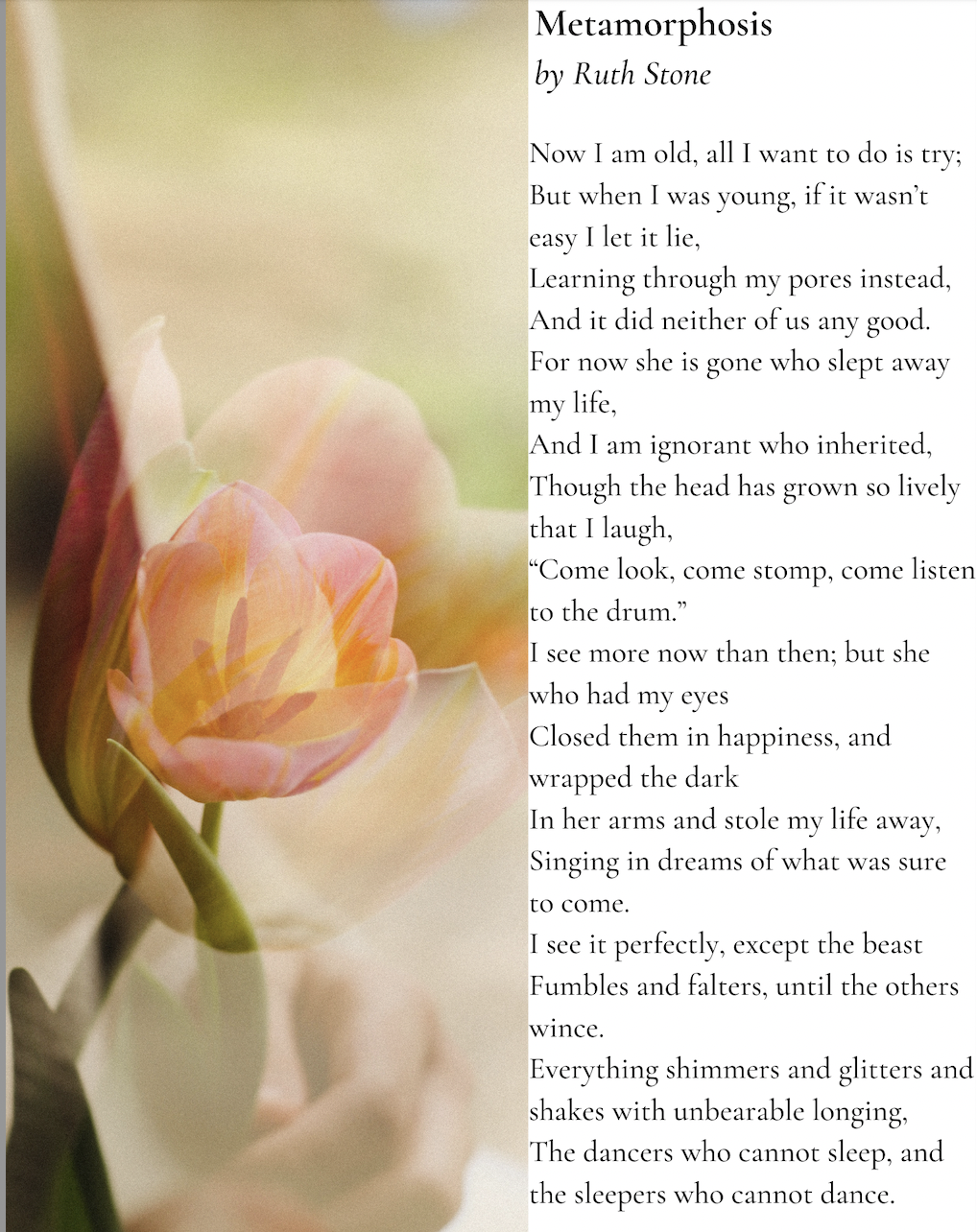
So in honor of Poetry Month, the poems I love, and my desire to write poems again, I am sharing the poetry of two of my favorite poets. Both Ruth Stone and May Sarton have become my favorites as the years have accumulated to The Precious Days of the seventh decade of my life. These two women write poetry about our life journey as women and the roles we take on–some of our own choosing, some foisted upon us. They both have so much to say about the female experience, the female mind, and the ordinary and extraordinary experiences women live, endure, and continue to create to shape a life.
Now I Become Myself
by May Sarton
Now I become myself. It’s taken
Time, many years and places;
I have been dissolved and shaken,
Worn other people's faces,
Run madly, as if Time were there,
Terribly old, crying a warning,
"Hurry, you will be dead before—"
(What? Before you reach the morning?
Or the end of the poem is clear?
Or love safe in the walled city?)
Now to stand still, to be here,
Feel my own weight and density!
The black shadow on the paper
Is my hand; the shadow of a word
As thought shapes the shaper
Falls heavy on the page, is heard.
All fuses now, falls into place
From wish to action, word to silence,
My work, my love, my time, my face
Gathered into one intense
Gesture of growing like a plant.
As slowly as the ripening fruit
Fertile, detached, and always spent,
Falls but does not exhaust the root,
So all the poem is, can give,
Grows in me to become the song,
Made so and rooted by love.
Now there is time and Time is young.
O, in this single hour I live
All by myself and do not move.
I, the pursued, who madly ran,
Stand still, stand still, and stop the sun!
What role does (has) poetry played in your life? Who are the poets you love? Have they inspired you to write poetry? Drop me a comment, I’d love to know your thoughts.
If you are interested in learning more about these two poets, I suggest:

Take the Long Way Home
You freeze a memory like that, one that is a mix of longing, dreaming, and pure contentment. That’s the remedy I try to replicate every time I go for a drive.

Recently we experienced an incredible mix of sunny days and summer temperatures, unprecedented in Vermont. What a balm for a winter-battered soul! Last week records were broken, and this week we are returning to colder, rainier, cloudier April days. Sigh….
But this is not a blog about the weather. It’s about what I do when I need to escape from whatever is making me restless, which is sometimes gloomy weather, but is also sadness, a perplexing problem, too much stimulation, lack of balance, or a list of other catalysts that tell me to “get out of your own way, girl!”
That’s when I grab the keys and go for a drive.
Those drives felt life-saving in the Spring of 2020. During the pandemic, the car’s interior became a sacred space. When so much was locked down and felt both uncertain and dangerous, that front seat was a safe house. No masks were needed and no social distancing was required when you were alone with the open road. There was often very little traffic. Taking the scenic route or the “long way home” as we used to beg our dad to take when we were kids and didn’t want a Sunday drive to end, became a temporary treatment for a virus we knew little about that first spring.
That spring of 2020, my husband did most of the driving because I felt I had so much noticing to do. It felt like it was my calling to take in as much as I could of our fractured world. Houses were still standing, cars in driveways, children playing alone in their yards on what used to be called a school day. Storefronts were still there, minus the parked cars and daily foot traffic. So we drove. We drove to discover, and we drove to confirm. Life still existed.
Grass was greening, trees were budding, rivers were flowing, birds were doing their spring thing. Cows in pastures had no idea that the farmers were having to alter everything about the days that required them to leave their land. So they did what cows do, and that was immensely comforting during a time that we could not do what it was normal for us to do.
“Going for a ride” was a familiar tonic in our arsenal of coping with or enhancing our lives. Like millions of American families, we went for the popular Sunday drive in the 60’s. With the Blue Laws of Vermont, nothing much was open on a Sunday back then. So we hit the open road, my brother and I in the boat-sized backseat of our banana-colored Dodge. Whether it was standing on “the hump” to see ahead or talk to my parents, curling up into ball in the footwell, heads hanging out a roll-down window, or trying to see if we could lounge in the sunny warmth of the rear windshield, that backseat was its own amusement park on a Sunday.
Rustic roads, unfamiliar neighborhoods, and the city streets and rural roads where relatives resided were all fair game for a Sunday afternoon. If it was summer, we’d forgo the big car and I would get to ride in the back of the beat-up blue International Harvester Scout pickup. On the rutted back roads, I can remember leaning back, sun filtering through the leafy trees, and the sound of Stevie Wonder’s “My Cherie Amour'' coming from the radio in the front cab. You freeze a memory like that, one that is a mix of longing, dreaming, and pure contentment. That’s the remedy I try to replicate every time I go for a drive.
The need for the mind-clearing or adventure-seeking drive may be greater than ever. Covid continues to disrupt our lives, and will be with us, we are told, for a long time. With the desire to travel still on hold for many retirees due to various circumstances, a car trip, even a day-trip, or just short drives can feel so liberating. Just a change of scenery can promote creativity and greater optimism. In the blog post Top 5 Ways: How driving makes you happy and could also help you unlock your life post lockdown (featured by a global travel insurance company), the authors state that despite the tension of long drives to reach a particular destination, “this same long drive benefits positively when the drive is taken without any purpose or place to reach.”
They urge drivers to see the drive itself as the destination. In other words, the journey is the destination. They also note that going for a drive restores energy in a mood-changing way, de-stresses, and creates solitude. And they also acknowledge that being able to go for a drive is truly a luxury.
Going for a drive is a luxury I do not take for granted as I grow older. We know that driving is key to our independence as we age. But research also shows that women are more likely to give up driving in their golden years much earlier than men. Reading the research about aging women and driving can be a depressing territory to wade into, full of menacing “taking the keys away from grandma” advice – not what I was looking for. Mercifully, I feel far away from that scenario.
Right now in my life going for a drive is the same form of self-care it has been since I first learned to drive and relived the magic of the Sunday ride. That wonderful paradox of relaxing and focusing while on a drive, radio tuned to something nostalgic is helping me live compatibly with the past, present, and future. During The Precious Days, I plan to “take the long way home” for as long as I can.
For more information on the benefits of taking a drive, check out: Self-care Sunday’s: Taking a Drive.
Is going for a drive part of your self-care routine? Drop me a message in the comments below.
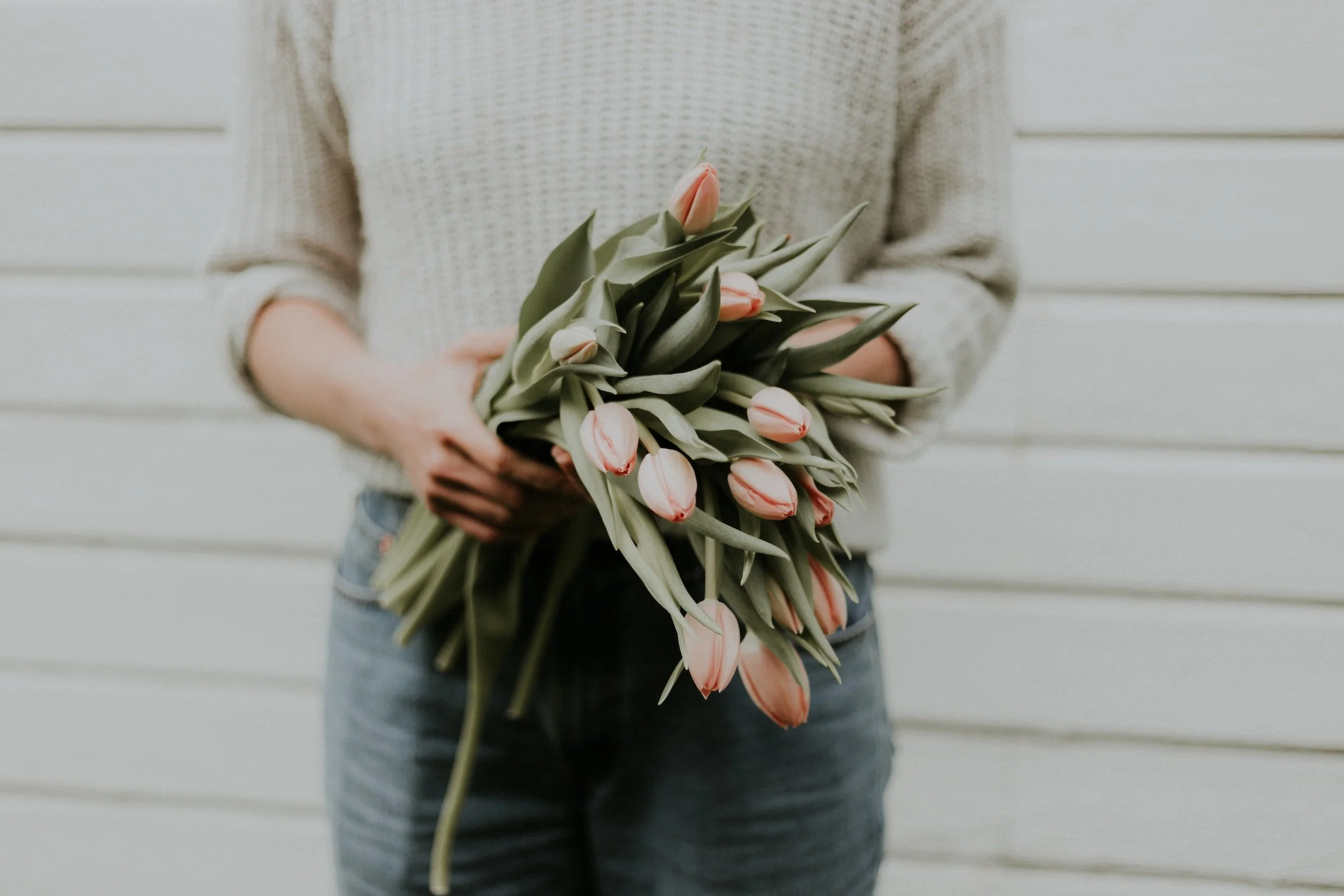
The Precious Days of April: Spring Enchantments
Oh, spring, you’ve finally sprung here in Vermont.

Oh, spring, you’ve finally sprung here in Vermont. On Easter Sunday my husband and I spent the whole day outside. I was able to start a book I had been saving for April, Enchantment: Awakening Wonder in an Anxious Age by Katherine May. I loved her book Wintering, so treating myself to this new book for April seemed like the best way to forge a pathway to my own spring enchantment.
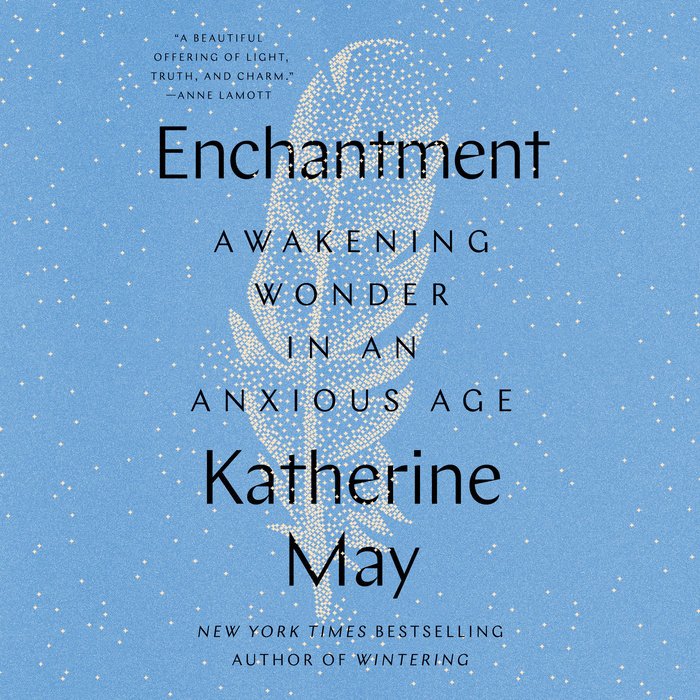
In the book, May “invites the reader to come with her on a journey to reawaken our innate sense of wonder and awe (front book flap).” The “restorative properties of the natural world” are explored through her version of the elements Earth, Water, Fire, and Air. Through the wonders discovered on that journey, she comes to the conclusion that“We are better off staying soft. It gives us room to grow and absorb, to make space for all the other glorious notions that will keep coming at us across a lifetime (p. 209).”
During this April week, I am enjoying my own exploration of the book, as well as thinking about all the enchantments in my life this spring. May defines enchantment as “Enchantment is small wonder magnified through meaning, fascination caught in the web of fable and memory (p.8).” That web, as she illustrates it with her own experiences, is what makes the book so compelling. This is not a recipe for awe-struck wonderment. She addresses “uncertainty,” something I have struggled with most of my life. I am not a “wait and see” kind of person. My own lack of patience and often anxiety-fueled limbo are painful states I still live in too often. But I am working on it, and this book is helping.
What initially drew me to this book as one of my retirement reads is the focus on the restorative aspects of the natural world. During my years of work, nature was something I experienced as an event, often with blinders on, rather than the context for a state of being. Some of the wonderful things the retirement years allow for are discovery, relearning, unlearning, and appreciation of so many things we might have taken for granted during the years of our busy work lives. This springtime, I am choosing to be soft, to embrace the wonder, and to explore my own enchantments in The Precious Days of April.
A Few of My Spring Enchantments
April showers: the warm spring rain coaxing green and swelling buds
Rising birdsong: the spring courting chorus of the titmice, phoebes, song sparrows, and cardinals
Tulipa tarda: the greening and budding patches of our first islands of bulbs in the back border garden
Constant wind: breezes, zephyrs, and gentle currents rustling the chimes that have returned to their hooks on the crab apple trees
Patio table and chairs: the first summer furniture to “hit the deck” — home to the sun’s warmth, books, journals, pens, mugs of coffee in the morning and gin and tonics in the late afternoon
Pansy planter: the large blue pottery bowl that is home to a half flat of yellow pansies, an annual bowl of spring sunshine
Neighborhood walks: enjoying the progress of the greening lawns and the emerging purple crocuses edging the front walkway gardens
Garden maps: planning with my husband where new seeds and bulbs will be placed this spring before the first date of safe sowing
Vulture vortex: giant gliding scavengers swirling in the spring thermals rising higher and higher
Street sounds: children’s laughter, mothers calling in the kids, bicycles whizzing by, soccer balls bouncing through backyards, and driveway conversations at dusk
…and ALL THE TULIPS!
What are the things that are enchanting you this spring? Drop your enchantments in the Comments below.

Walking Out of Winter and into Spring
It was walking that pulled me through.

As I venture into this blog, the promise of spring in the form of a south wind is breathing bluster all over this April day. Hallelujah. In the Green Mountain State we put a lot of pressure on April to perform – the expectation directly in proportion to how awful the winter experience may have been for us. This one, for me, was a humdinger. It was neither snow nor cold that brought me down, I expect that out of the first three months of the year. It was the darkness, which seemed endless. Like our own version of polar night, the dark mornings turned into dark afternoons, and then into early, endless evenings.
This was my first winter of full retirement. I retired from public education in June of 2021 and moved right into a part time role as the Executive Director of a state-level curriculum organization. I had little room for negative headspace, and winter flew by as it had all 42 years of working in education, the rhythm of the seasons propelling the work of a school year. My husband, who retired earlier than me to start his own business, then fully retired when a heart attack weaseled its way into his work day, had warned me that I had to have a plan or I’d be in trouble after the holidays. Phhttt, I thought. I would be just fine. I was still on the holiday high, during which I pranced through the days with a giddy, childlike euphoria, experiencing the magic of the season from the day after Thanksgiving to New Year’s Day. Yup, all good, I told him. Hobbies? I already do Morning Pages faithfully every single day. I attend a writing workshop a few times a month. I read books. I’m in a book group for Pete’s sake! I. will. be. just. fine. Reader, I was not fine.
As I said, January was dark, practically sunless. February was, well, February. I’ve never had any expectations for February. I just let it be what it wants to be. It, too, wanted to be dark for too many days (although it looked for a while like it would be much brighter – but that had a short life). Then March, the home stretch, almost over, right? Nope. More dark, cloudy, gloomy days. More snow.
With each month, I clung to a few things that were saving my life. During January, I tried to notice the growing light at the end of each day. I wasn’t too successful at that; to me, it was imperceptible. So I looked for light in other places, and was much more successful. One was in Mary Pipher’s A Life In Light: Meditations on Impermanence. The other was in my light therapy box. Both helped immensely. In February it was reading (you can see my books by month on my Instagram Account or on Goodreads), more Mary Pipher, lots of reading on women aging, a few pop-up streams of melting snow, and British television. And it was by the end February I thought, now is the time for my own blog. That will save me! But then March brought more cold, more dark skies, more snow, and writer’s block.
So how did I actually get here? How did I get to this page, to this place in April? How did I go from so not fine to bearable to the thing with feathers?
It was walking that pulled me through.
During those dark three months, I walked. Some days I walked alone. I ruminated, I planned, I wrote hundreds of first sentences for the yet to materialize blog posts. Sometimes I walked with a friend. Sometimes I walked on the treadmill. But I walked every day, from 2 to 4 miles. In walking to get away from my winter self, I found that “hope springs eternal” gal I was looking for. And before I knew it, I had walked into April.
“Walking brings me back to myself.”
So here I am. I’ve turned the corner yet again. What have I learned about myself this winter? Well, I have learned that my husband, who knows me better than anyone, was right. I am a person who believes I am enough. But this winter, I did not plan for “enough.” It won’t be long before I am doing the same giddy dance into the late spring and summer months, the gorgeous autumn, then onto the holidays…and will I remember what I need to do for the months of January, February, and March? Join me here, stay with me if you can, and we’ll figure it out together when the time comes. But for now, I’m going to live fully and enjoy The Precious Days of spring.

I’d love to know what you do to get through the winter months if they are difficult for you or what you love most about spring. Drop me a comment along with any ideas for topics you’d like to see explored here on the blog.

Cannonball!
Deep breath, here we go!

“And once when you weren't looking, I did a cannonball. Did a cannonball.”
Loudon Wainwright III
Deep breath, here we go!
The Precious Days blog is my attempt to produce the kind of content that I have been looking for since I made the decision in 2022 to fully retire. Its content is framed not so much on presenting answers or solutions, but on an exploration of the questions, topics, issues, and potential adventures and celebrations that arise for women at this time of life.
When I was younger, I assumed by this age I’d have most of the big stuff figured out. Settled. I thought if I were financially smart about retirement, I would “coast” into blissville. Nothing could be further from my reality. Let me say without reservation that I acknowledge my privilege in being financially “okay” for this time of life. Still, the daily road has been bumpy; no amount of financial preparation could make up for how psychologically unprepared I was for how I would spend these retirement days.
Recently, while listening to one of my favorite McGarrigle Sisters albums, Tell My Sister, the lyrics to one song spoke to me in a flashing neon allegory:
“This summer I went swimming
This summer I might have drowned
But I held my breath and I kicked my feet
And I moved my arms around
Moved my arms around
This summer I swam in the ocean
And I swam in a swimming pool
Salt my wounds, chlorined my eyes
I’m a self destructive fool
I’m a self destructive fool
This summer I did the backstroke
And you know that that’s not all
I did the breaststroke and the butterfly
And the old Australian crawl
The old Australian crawl
This summer I swam in a public place
And a reservoir to boot
At the latter I was informal
At the former I wore my suit
I wore my swimming suit, yeah
This summer I did swan dives
And jack knives for you all
And once when you weren’t looking
I did a cannonball
Did a cannonball
This summer I went swimming
This summer I might have drowned
But I held my breath and I kicked my feet
And I moved my arms around
Moved my arms around
Hey!”

The Swimming Song, written by Louden Wainwright III and performed by Kate and Anna, is without a doubt the perfect metaphor for the space I occupy as I venture into The Precious Days. And although the name of the blog is an homage to September Song, this phase of my life does feel like the summer of learning to swim. Sometimes the explorations and lessons of these days will be a tentative toe dip (WHAT am I doing?), sometimes an elegant breast stroke (Glide through the day and enjoy it all, girl.), and once in a while, an astonishing cannonball (Take that risk; this IS the right time, woman!).
It is my hope that this blog serves many purposes for readers and for me. It chronicles this new journey in uncharted waters. It helps me to be accountable about being real about retirement–with you and with myself. It fulfills a burning desire and a need to write and research. Most especially, it has the potential to form a community with women who, like me, have more days behind them than ahead of them–the all important “third act” as it’s sometimes called. This is a time when there is so much to figure out, so much to learn, so much to give and receive, and so much to enjoy and perhaps suffer through–but I’m determined to finally learn to live The Swimming Song in The Precious Days. I’ve been treading water long enough.
The Precious Days will be filled with joy and angst, clarity and uncertainty, discovery and letting go, as well as endless questions and burning issues to explore. So glad we can do this together. I’d hate for you to miss my cannonball!
Drop me a comment with suggested issues or topics to explore that would be meaningful to you!